
Adoption of Augmented Reality Technologies in Retail: Transforming the Consumer Experience
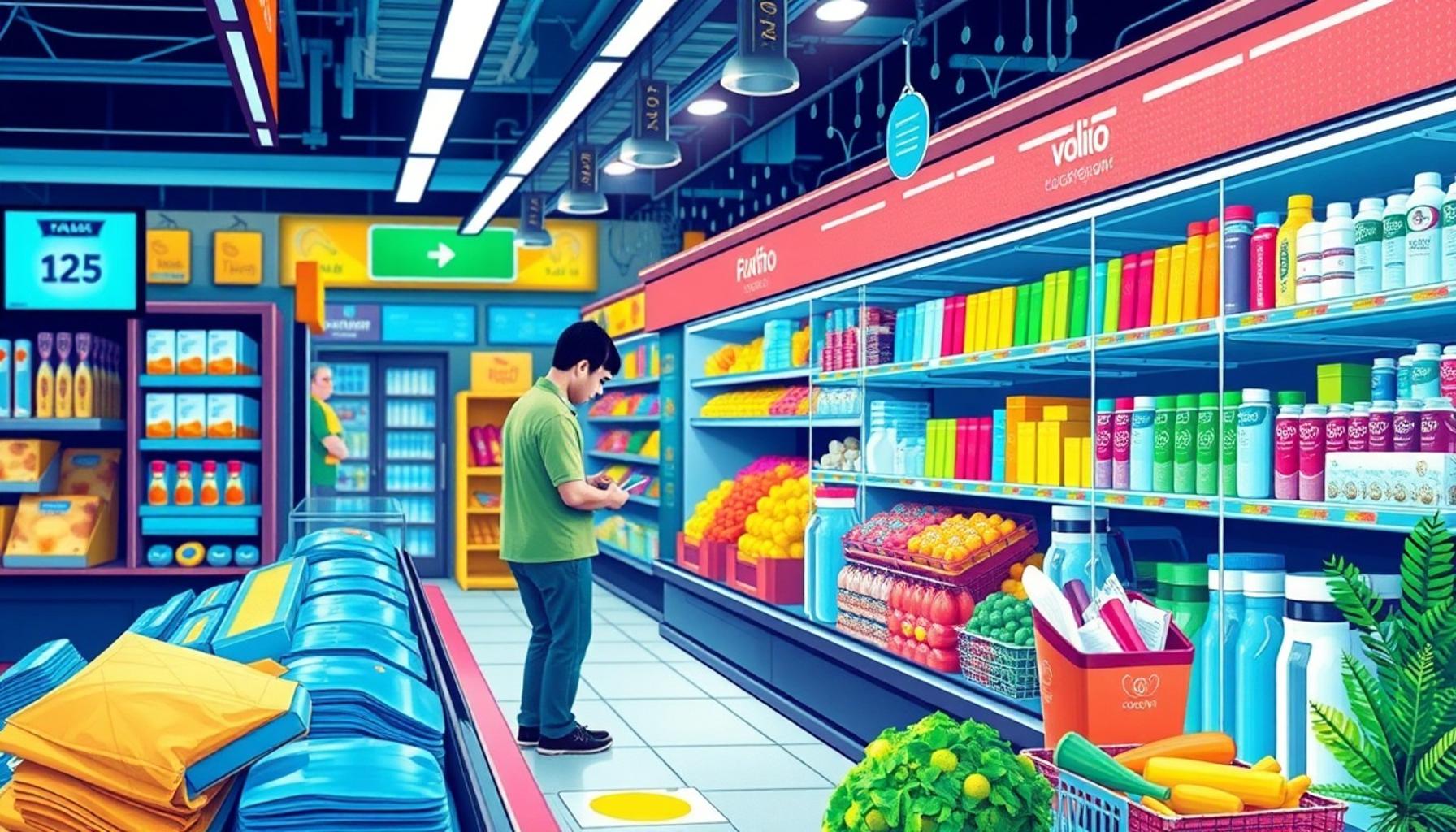
Understanding Augmented Reality in Retail
In the dynamic landscape of retail, Augmented Reality (AR) technologies are making waves by providing innovative solutions that bridge the gap between online and in-store shopping. As consumers become more tech-savvy, retailers are harnessing AR to enhance customer engagement and improve the overall shopping experience.
What is Augmented Reality?
Augmented Reality is a technology that overlays digital information — including images, sounds, and other data — onto the real-world environment through devices like smartphones or AR glasses. This technology offers an interactive experience that allows customers to visualize products in their own space and context.
Key Features of Augmented Reality in Retail
The adoption of AR in retail is primarily characterized by three significant features:
- Virtual Try-Ons: This feature has revolutionized shopping, particularly in the fashion and beauty industries. Retailers like Sephora and Warby Parker offer AR capabilities that allow customers to virtually try on makeup or eyewear. For instance, customers can see how a pair of glasses looks on their faces through their smartphones without having to visit the store physically.
- Interactive Displays: AR transforms traditional product displays into interactive experiences. For example, furniture retailer IKEA has implemented an AR app that lets customers visualize how a piece of furniture would look in their home. By simply pointing their phone’s camera at their living space, users can see a digital representation of the product in real-time, helping them make informed choices about size and style.
- Personalized Shopping: Retailers use AR to create customized shopping experiences tailored to individual customer preferences. With AR applications, brands can analyze user interactions and recommend products based on browsing behavior or past purchases. For instance, a customer who frequently buys sports gear may receive AR suggestions for new athletic wear or equipment based on their previous shopping habits.
Benefits of Augmented Reality in Retail
The impact of AR on retail is profound, affecting both consumer behavior and retail performance. One of the most significant advantages of AR is the enhanced customer experience. By providing customers with the tools to visualize and interact with products before purchasing, retailers can reduce uncertainty and increase satisfaction.
Moreover, AR technologies help foster brand loyalty. When customers engage with products through AR, they are more likely to feel connected to the brand and its offerings. According to various studies, customers who interact with AR features often report a higher likelihood of returning to the brand for future purchases.
In conclusion, as AR technology continues to evolve, it promises to reshape the future of retail. From improved customer experiences to personalized shopping journeys, the effective integration of AR can significantly benefit both consumers and retailers. As we continue to explore this fascinating subject, we will uncover more real-world applications and the measurable impact of AR in retail settings.
DISCOVER MORE: Click here to learn about succession planning strategies
The Impact of Augmented Reality on Consumer Behavior
The integration of Augmented Reality (AR) into the retail sector is more than just a technological trend; it fundamentally shifts how consumers interact with products and brands. Retailers are leveraging AR to create immersive experiences that not only attract customers but also influence their purchasing decisions. Understanding the psychological and behavioral changes that AR induces is essential for retailers aiming to improve their strategies and offerings.
Changing the Way Consumers Shop
One of the most profound changes brought about by AR technology is in the way consumers approach shopping. Traditional retail often involves browsing shelves or scrolling through endless product lists online. However, AR transforms this mundane task into a dynamic experience. By integrating AR, retailers can provide virtual environments that simulate real-life shopping experiences. For instance, customers can walk through a virtual store, picking up products to explore their features and benefits without stepping foot inside a physical location.
Improving Decision-Making with Visualization
AR’s practical applications extend beyond mere engagement; they significantly enhance consumer decision-making. When shopping, customers often face uncertainty about how products will fit into their lives. AR tools address this by allowing users to visualize products in their personal spaces. This feature is particularly beneficial in industries like home decor and furniture. For example, when a customer uses an AR app to see how a particular sofa looks in their living room, they gain a clearer understanding of size, style, and color, which leads to better-informed buying choices.
Engagement through Gamification
Another compelling aspect of AR in retail is its ability to incorporate gamification. Brands are using AR to create interactive experiences that engage customers during their shopping journeys. These experiences can take the form of scavenger hunts, virtual rewards, or challenges that encourage customers to explore the store or the brand’s app. This engagement not only keeps consumers entertained but also builds a positive association with the brand. Retailers like Target have launched AR apps that enable customers to find hidden deals and engage with products in fun and inventive ways.
Creating a Sense of Community
Furthermore, AR fosters community engagement by enabling shared experiences among users. Many retail AR applications allow customers to share their virtual experiences on social media platforms. For example, beauty brands like L’Oréal have empowered users to create and share AR makeup looks with friends, thereby cultivating a community-driven marketing approach. This social aspect is a powerful tool, as potential customers often trust peer recommendations more than traditional advertising.
In summary, the adoption of augmented reality technologies in retail is reshaping the consumer experience dramatically. By changing shopping behavior, improving decision-making, enhancing engagement through gamification, and fostering community interactions, retailers can leverage AR to enrich the shopping journey. As we delve deeper into these benefits, it becomes increasingly clear that AR is not just a supplement to retail but a cornerstone of its evolution in the digital age.
DISCOVER MORE: Click here to learn about the importance of financial education in managing family wealth
Enhancing Customer Experience Through Personalization
As retailers embrace augmented reality (AR) technologies, another significant advantage is the ability to offer enhanced personalization that resonates with consumers on a deeper level. By utilizing AR applications, retailers can tailor experiences to individual preferences, making shopping not only more enjoyable but also more relevant. This level of personalization is becoming increasingly important as customers seek experiences that reflect their unique tastes and lifestyles.
Personalized Recommendations and Interaction
AR technologies allow retailers to analyze consumer behavior in real-time, thus enabling personalized recommendations that enhance the shopping experience. For example, a virtual try-on tool employed by eyewear brands such as Warby Parker allows customers to see how different frames look on their faces using their smartphone cameras. This not only helps consumers find their perfect fit but also acknowledges their preferences and desired style, ensuring that shoppers feel valued and understood. Effective personalization through AR not only boosts conversion rates but also cultivates brand loyalty as customers have positive experiences tailored to their specific needs.
Augmented Reality in Marketing Campaigns
Moreover, AR is redefining marketing campaigns by enriching storytelling, which resonates more with consumers. Brands can create compelling narratives that engage customers, providing immersive experiences that combine storytelling with product showcasing. For instance, the furniture retailer IKEA has leveraged AR in its “IKEA Place” app, allowing users to virtually place furniture in their homes while also offering design suggestions based on their previously viewed styles. This innovative approach encourages consumers to not only engage with the product but also to see it within the context of their own lives, making purchasing decisions much easier.
Interactive Brand Loyalty Programs
In addition to personalization and marketing, AR technologies are enhancing brand loyalty programs. Retailers are now leveraging AR to create interactive loyalty experiences that go beyond traditional point accumulation. For example, a cosmetics brand may offer exclusive virtual makeovers or AR-enhanced experiences for members of their loyalty program, encouraging repeat visits and deeper engagement. By doing so, customers feel a stronger connection to the brand and are more likely to share their experiences, further extending the brand’s reach through word-of-mouth marketing.
Bridging Online and Offline Shopping Experiences
One of AR’s notable strengths lies in bridging the gap between online and offline shopping. Consumers often seek the convenience of online shopping but crave the experiential aspect of physical stores. Augmented reality addresses this challenge by allowing customers to use AR applications that enhance their in-store experience. For instance, stores like Lowe’s have implemented AR directions that lead customers to specific products, offer additional information, and even suggest complementary items based on the products being purchased. This blend of digital assistance with physical shopping not only enhances customer satisfaction but also streamlines the overall shopping process.
In this transformed landscape of retail, the implementation of AR technologies enables a comprehensive approach to customer engagement and satisfaction. Enhanced personalization, innovative marketing campaigns, interactive loyalty programs, and the fusion of online and offline experiences are just a few ways that AR technologies are setting the stage for retailers to revolutionize the consumer experience. As more businesses adopt these cutting-edge solutions, the potential for enriched customer journeys will only continue to expand.
DON’T MISS OUT: Click here to learn how to apply
Conclusion
The adoption of augmented reality (AR) technologies in retail is undeniably reshaping the consumer experience in profound and impactful ways. From personalized shopping journeys that cater to individual tastes to immersive marketing campaigns that transform product engagement, AR provides retailers with powerful tools to connect with customers. The ability to visualize products in real-time not only simplifies decision-making but also enhances trust between the consumer and the brand.
Moreover, as AR continues to bridge the gap between online and offline shopping experiences, it allows consumers to navigate and interact with their surroundings in a way that was previously unimaginable. For instance, utilizing AR to guide shoppers through aisles or showcase products in relatable settings creates a seamless integration of digital innovation within physical stores. This fusion fosters a richer shopping experience that meets the evolving demands of today’s tech-savvy consumers.
Additionally, with interactive loyalty programs and engaging storytelling through AR, retailers can deepen consumer engagement and loyalty. As brands leverage these technologies, they create memorable experiences that resonate with shoppers long after their purchase, influencing their return behavior and advocacy for the brand.
In conclusion, the future of retail lies in fully embracing augmented reality. As the technology evolves and becomes more accessible, it will empower retailers to not only enhance customer satisfaction but also drive business growth. Retailers who invest in AR today are poised to lead the market tomorrow, creating an enriched consumer landscape that prioritizes personalization, engagement, and innovation.

Linda Carter
Linda Carter is a writer and fashion content specialist who focuses on Shein, online shopping trends, and style discoveries. With extensive experience helping readers explore affordable fashion, understand shopping tips, and make smarter purchase decisions, Linda shares her insights on our platform. Her goal is to empower readers with practical advice and useful strategies to navigate Shein’s offers, discover new trends, and enjoy a more confident and informed shopping experience.