
Post-Pandemic Consumer Behavior Changes: What to Expect in 2024
Understanding the New Shopping Landscape
The past few years have indeed transformed our shopping habits and interactions with brands. As we navigate this post-pandemic environment, discerning the nuances of these changes is crucial for both consumers and businesses alike. With 2024 approaching, recognizing the evolution of consumer behaviors is more important than ever.
One significant trend that has emerged is the increased online shopping. The pandemic accelerated a transition that had already begun, pushing consumers towards e-commerce platforms. Many shoppers have found they appreciate the convenience of browsing and purchasing from the comfort of their homes. For instance, purchasing groceries online has become commonplace, with services like Instacart and Amazon Fresh making food shopping more accessible. This trend is likely to continue as companies enhance their online interfaces and streamline delivery processes, making virtual shopping ever more appealing.
Additionally, a growing health consciousness among consumers reflects a prioritization of safety and wellness in their purchasing decisions. Shoppers are now more inclined to choose brands that promote hygiene standards and sustainability. Many are opting for products labeled as organic or all-natural, reflecting a greater awareness of health implications. For example, skincare brands that highlight non-toxic ingredients and environmentally friendly practices have seen increased demand. As wellness takes center stage, brands must demonstrate genuine commitment to these values to build consumer trust.
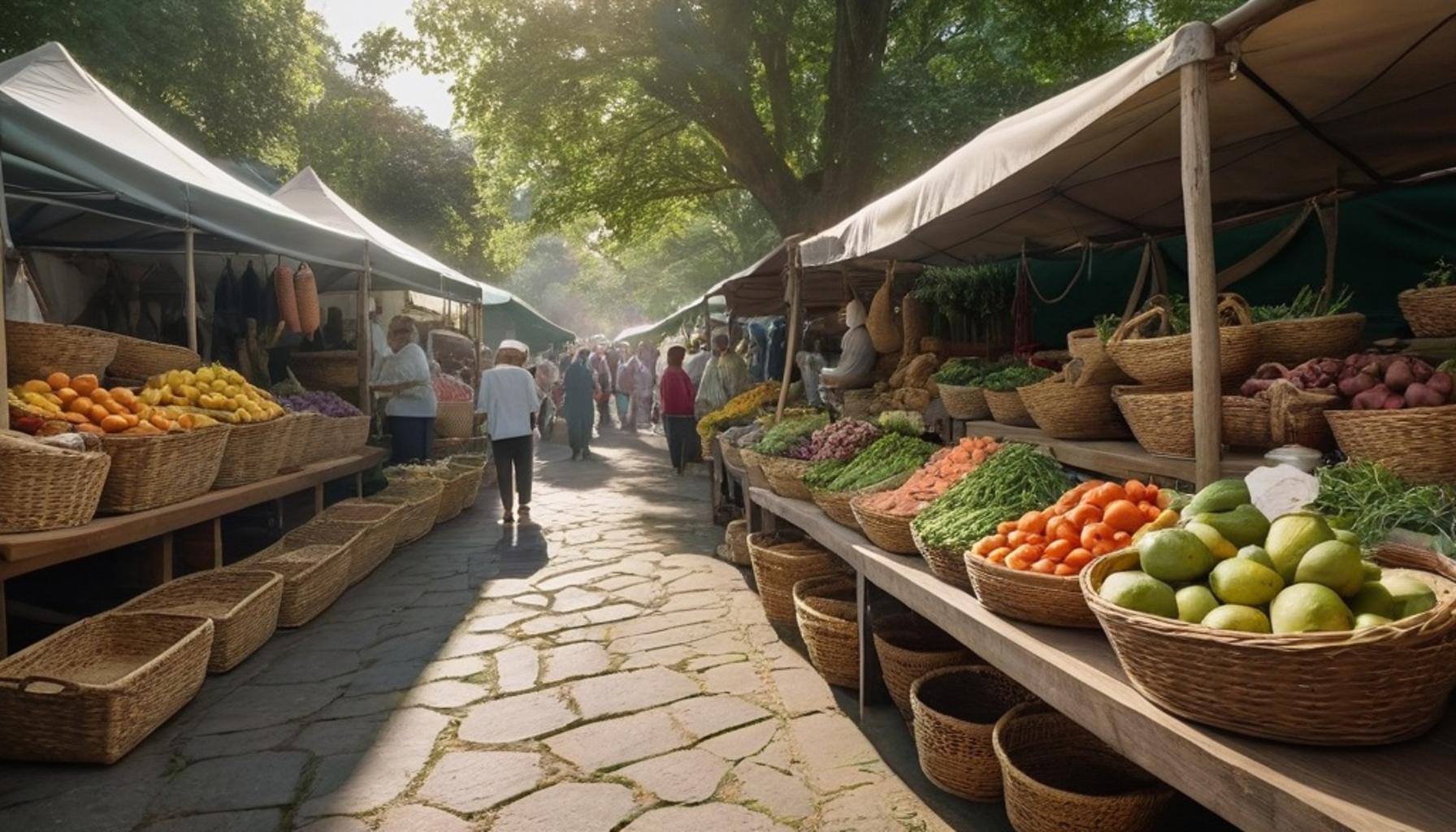
Another noticeable shift is the rising support for local businesses. Amid the pandemic, consumers developed a newfound appreciation for their communities and the small businesses within them. This support is evident through initiatives encouraging shopping locally to bolster local economies. Businesses that emphasize their local roots, such as artisanal shops and farmers’ markets, have gained traction. For instance, community-driven platforms like Buy Local have helped connect consumers with nearby offerings, catering to the desire for a more personalized shopping experience.
These trends signify a broader transformation that might very well redefine the shopping experience. As consumers reassess their values, brands are urged to adapt swiftly to meet these evolving expectations. Companies that remain attuned to these shifts will not only navigate the challenges ahead but also position themselves to thrive in an increasingly competitive marketplace.
Heading into 2024, being in tune with the ever-changing dynamics of consumer behavior will be paramount. Businesses that embrace these alterations will have the opportunity to connect more deeply with customers and ultimately enhance their brand loyalty. As we step into the future, the ability to remain agile and responsive to the needs of consumers will determine success in the new era of shopping.
DISCOVER MORE: Click here for details on applying online
Shifts in Consumer Priorities
As we look towards 2024, understanding the shifts in consumer priorities becomes essential for businesses aiming to remain relevant. The pandemic not only changed the way people shop but also deeply influenced what they value in their purchasing decisions. Today, consumers are more conscious than ever of the brands they support, often aligning their purchases with their personal beliefs and ideologies.
One of the most striking changes is the growing emphasis on transparency and ethics in brand communication. Consumers are now demanding more information about the products they buy, including the origins, manufacturing processes, and the ethical implications surrounding them. Brands that can provide detailed information about sourcing, labor practices, and environmental impact are likely to resonate more with conscientious shoppers. Companies such as Patagonia, which openly shares its sustainability efforts and advocates for environmental causes, have experienced increased loyalty from consumers who prioritize ethics in their purchases.
Moreover, the concept of experiential shopping is taking center stage. After months of restrictions and online-only shopping, consumers are seeking more meaningful interactions with brands. This includes not only product purchases but also meaningful experiences that extend beyond mere transactions. For example, local sellers are introducing immersive events, workshops, and community experiences that invite consumers to engage deeply with their products and values. Think of interactive pop-up shops or well-curated in-store events that create a sense of community. This trend highlights the transition from transactional relationships to more relational ones, where consumers feel connected to brands and their stories.
In addition to ethics and experience, there is an emerging expectation for personalization. With the rise of data analytics and artificial intelligence, consumers now expect brands to understand their preferences and tailor offerings to suit their individual tastes. This can mean providing customized product recommendations, personalized marketing messages, or even bespoke services. For example, beauty brands utilizing augmented reality to offer virtual try-ons or subscription services that curate products based on past purchases are seeing significant engagement. Personalization not only enhances the shopping experience but also fosters a sense of loyalty and connection to the brand.
The following list summarizes the key shifts in consumer priorities heading into 2024:
- Transparency: Brands must be clear about sourcing, practices, and values.
- Experiential Shopping: Consumers seek meaningful experiences beyond simple transactions.
- Personalization: Tailored offerings that reflect individual preferences are becoming essential.
As businesses navigate this new landscape, understanding these underlying priorities can provide a roadmap for strategy and engagement. A fundamental alignment with consumer values will not only improve customer retention but also invite new audiences into the fold. Therefore, as we approach 2024, the emphasis on transparency, experience, and personalization will shape a new shopping paradigm that both brands and consumers can embrace.
DISCOVER MORE: Click here to learn how automation is transforming the service sector
The Rise of Sustainability and Localism
As we venture further into 2024, another significant trend reshaping consumer behavior emerges: the strong commitment to sustainability and a burgeoning preference for local products. The pandemic served as a wake-up call for many regarding environmental issues and the importance of community resilience. As a result, consumers are increasingly opting for brands that prioritize eco-friendly practices and local sourcing.
One key aspect of this shift is the heightened awareness surrounding environmental impact. With climate change effects becoming more visible, consumers are inclined to support businesses that demonstrate genuine efforts in sustainability. This can range from brands utilizing biodegradable packaging to those embracing circular economy models, where products are designed for reuse and recycling. Companies like Uncommon Goods have gained popularity as they emphasize handmade, responsibly sourced items that support artisans while minimizing environmental footprints. This not only appeals to eco-conscious buyers but also taps into the desire for unique products that tell a story.
Additionally, consumers are showing a preference for localism. The idea of supporting local economies gained momentum during the pandemic when many small businesses faced closures. As people ventured back into the world, they carried forward a newfound appreciation for local products and services. Buying from local vendors not only fosters community relationships but also reduces carbon footprints associated with shipping products over long distances. Farmers’ markets, local craft fairs, and independent retailers are regaining traction as shoppers seek out unique, regionally sourced offerings that make them feel more connected to their communities. This shift is evident in movements like ‘Shop Small’ and ‘Made in America’ campaigns that encourage consumers to think locally when making purchasing decisions.
Health and wellness have also become central themes in consumer choices. The pandemic highlighted the importance of physical health and mental well-being, pushing consumers to seek products that enhance their lifestyle. From organic groceries to wellness supplements, a notable rise in demand for products that promote a healthier life is driving brands to innovate and expand their offerings. Fitness companies that pivoted to online classes, like Peloton, saw unprecedented growth as consumers looked for ways to stay active at home. As we enter 2024, this focus on health and holistic well-being is expected to solidify, with businesses aligning their products and services to cater to these evolving consumer needs.
- Sustainability: Increased demand for eco-friendly practices and products that reduce environmental impact.
- Localism: A preference for supporting local businesses that enrich community connections.
- Health and Wellness: A focus on products and services that promote physical and mental well-being.
These emerging trends signify a collective desire among consumers to make more conscious choices that not only impact their own lives but also help shape a better future for the planet and their communities. With a robust commitment to sustainability, localism, and wellness, businesses can no longer afford to overlook these critical priorities as they strategize for the upcoming year. Embracing these values will not only attract the modern consumer but also foster long-lasting relationships built on shared ideals and mutual respect.
DISCOVER MORE: Click here to find out more
Looking Ahead: Navigating the New Consumer Landscape
As we analyze the evolution of consumer behavior in the wake of the pandemic, it becomes increasingly evident that 2024 will be defined by significant shifts in priorities and values. The appetite for sustainability, paired with a focus on localism, illustrates a broader movement toward conscientious consumption. As individuals become more aware of their purchasing power, brands must adapt by integrating eco-friendly practices and embracing local collaborations.
The connection to health and wellness has also taken center stage, with consumers opting for products that nurture both physical and mental well-being. This shift opens doors for innovation and new offerings, compelling businesses to rethink their strategies to meet heightened consumer expectations. It’s no longer sufficient for companies to merely profit; they must also play an active role in fostering an environment where consumers feel heard and valued through their shopping choices.
In this dynamic market landscape, brands that align with these consumer values are poised for success. By being transparent about their sustainability efforts and nurturing community ties, they not only enhance their appeal but also cultivate deeper relationships with their customers. As we progress through 2024, the intertwining of sustainability, localism, and wellness will redefine consumer-brand interactions, paving the way for a market that prioritizes purpose alongside profit. Businesses that heed these signals will thrive, ultimately contributing to a more responsible and vibrant economy.

Linda Carter
Linda Carter is a writer and expert known for producing clear, engaging, and easy-to-understand content. With solid experience guiding people in achieving their goals, she shares valuable insights and practical guidance. Her mission is to support readers in making informed choices and achieving significant progress.