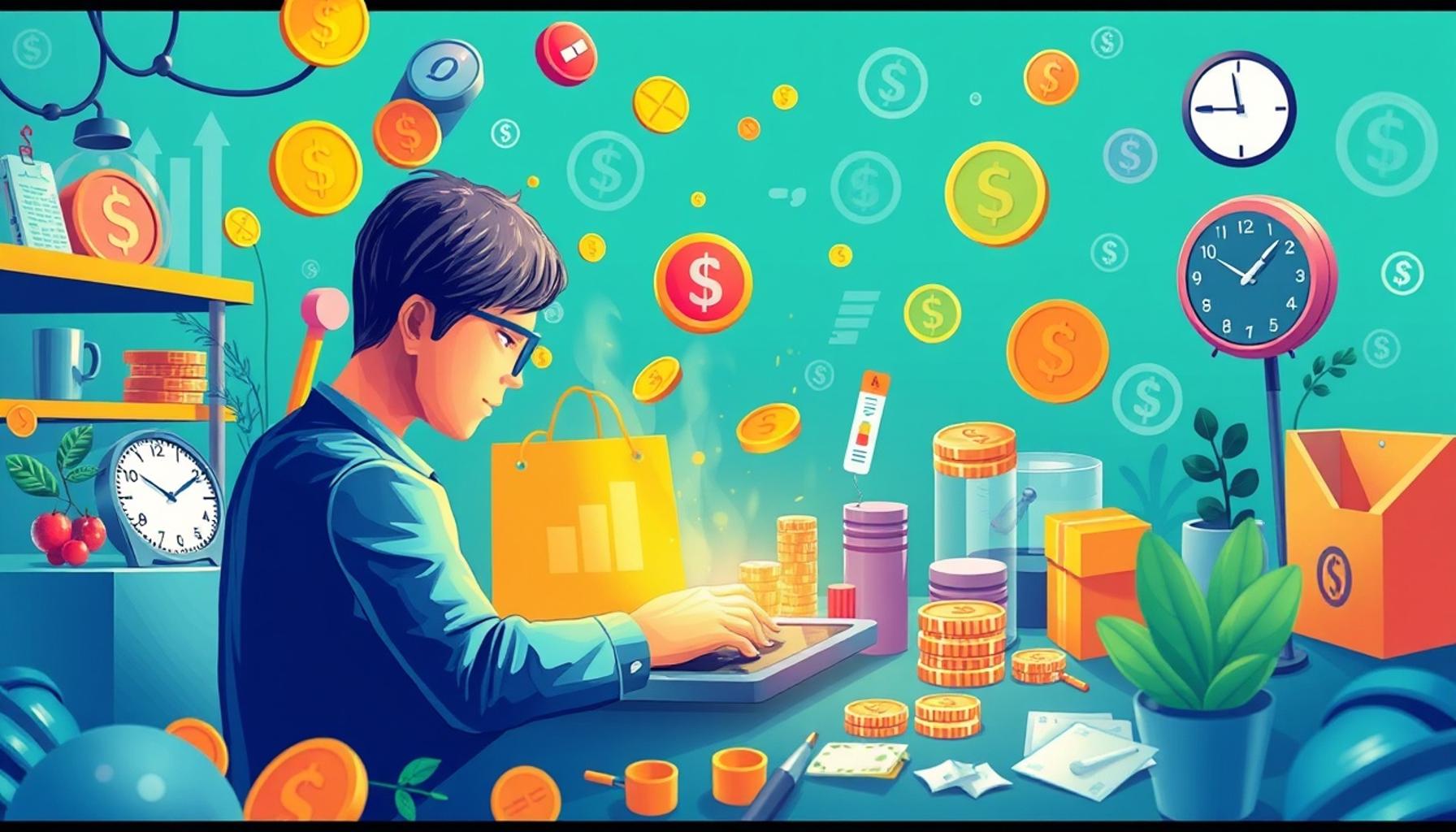
The Effect of Scarcity and Urgency on Online Purchase Decisions

The Power of Scarcity and Urgency in Consumer Behavior
In the fast-paced world of online shopping, scarcity and urgency are powerful psychological triggers that influence consumer behavior significantly. When shoppers perceive a product as being in limited supply or available for only a short period, they often feel compelled to act quickly. This sense of immediacy can lead to impulsive decision-making and unexpected purchases, often resulting in buyer’s remorse later. However, understanding these concepts can help both consumers and businesses navigate the online marketplace more effectively.
Let’s delve deeper into how these two concepts operate:
- Scarcity creates a perception of exclusivity. For example, a luxury brand might release a limited-edition handbag with only 50 pieces made. This finite availability triggers a mental response—shoppers think, “If I don’t buy it now, I might never get another chance.” This is why many brands employ tactics like showcasing “limited stock” messages or releasing seasonal products that are only available for a certain time.
- Urgency emphasizes time sensitivity. Online retailers often display countdown timers that indicate when a sale will end or how long specific promotions will last. For instance, imagine visiting an e-commerce site that states, “Flash Sale! Only 2 hours left!” This pressure can compel customers to complete their purchases without second-guessing their choices, as they may fear missing out on a good deal.
- Both strategies effectively tap into the fear of missing out (FOMO), making consumers more likely to prioritize immediate purchases over thoughtful consideration of the benefits or drawbacks of a product. For example, social media platforms frequently highlight trending items, further embedding the thought that “everyone else is getting it. Shouldn’t I?”
Consider the example of a popular sneaker brand that announces a limited release of a new model. Customers who encounter the message “Only 100 pairs available!” might feel an immediate urgency to complete their order, fearing that their chance to own the stylish sneakers will slip away. Similarly, an e-commerce site that displays, “Hurry! Sale ends in 2 hours!” encourages shoppers to finalize their decisions rapidly, often leading to increased sales during promotional periods.
By understanding the psychology behind these two concepts, consumers can make more informed purchasing decisions. Recognizing that scarcity and urgency can drive impulsive behavior allows shoppers to pause and evaluate their needs before committing to a purchase. On the flip side, businesses that strategically utilize scarcity and urgency can significantly enhance their sales strategies—by promoting limited-time offers or exclusive products, they can create an atmosphere that not only attracts potential customers but also encourages prompt action.
In conclusion, while the tactics of scarcity and urgency are effective tools in the arsenal of online retailers, consumers should arm themselves with knowledge. Being aware of these tactics can lead to more mindful purchases, ensuring that shoppers acquire items they truly want and need, rather than falling prey to impulsive buying driven by psychological pressure.
DISCOVER MORE: Click here for essential tips
Understanding Scarcity and Urgency in Online Shopping
To comprehend the influence of scarcity and urgency on online purchasing decisions, it is essential to explore the psychological factors that underpin human behavior in shopping environments. Both scarcity and urgency tap into fundamental human emotions, such as the fear of missing out (FOMO) and the desire for exclusivity. Understanding these emotions can empower consumers to make informed choices, while also helping businesses tailor their sales strategies effectively.
Scarcity refers to the perception that a product is in short supply. This can manifest in several ways:
- Limited Quantity: The most common form of scarcity is the limited quantity of items available. For instance, if an online store lists a product as having “only 5 left in stock,” this may create an immediate urge for consumers to purchase the item before it sells out.
- Exclusive Offer: Items that are marketed as exclusive can also create scarcity. For example, a beauty brand might launch a limited-edition lipstick in collaboration with a celebrity. The uniqueness of the product, combined with its limited availability, can entice customers to buy it quickly.
- Limited Time Promotions: Sales and discounts that are only available for a short period can enhance the sense of scarcity. A well-known online retailer might announce, “Only available until midnight!” This timeframe creates a compelling reason for customers to act swiftly.
On the other hand, urgency emphasizes the need for immediate action. Here are a few ways urgency can be employed in online shopping:
- Countdown Timers: Many websites utilize countdown timers to reinforce urgency. Seeing a ticking clock that counts down to the end of a sale can significantly boost motivation to make a purchase. For example, a promotion might state, “Sale ends in 30 minutes!” which pushes shoppers to complete transactions faster.
- Real-Time Inventory Updates: Some e-commerce platforms display notifications like “Just sold out!” or “Only 2 items left!” when a product is purchased. This real-time feedback can spur potential buyers to act quickly, fearing they will lose out on the opportunity.
- Fast Shipping Incentives: Promotions that highlight expedited shipping options can also create a sense of urgency. Phrases like “Order within the next hour for same-day delivery!” prompt customers to make quicker decisions.
When utilized effectively, both scarcity and urgency can significantly impact buying behavior. They create a heightened sense of need and excitement around products, often leading to impulsive purchases. While these tactics can certainly benefit businesses by driving sales, they also raise ethical considerations about consumer manipulation. By recognizing when these strategies are being implemented, consumers can better evaluate their own purchasing motivations and make decisions that align more closely with their needs and values.
DISCOVER MORE: Click here for effective strategies
The Role of Scarcity and Urgency in Consumer Behavior
The effectiveness of scarcity and urgency extends beyond mere tactics; they are deeply rooted in behavioral economics and align with how consumers perceive value. To understand their long-term effects on consumers’ purchase decisions, it’s important to consider both the emotional and cognitive aspects at play.
Perceived Value is a fundamental concept in marketing that is influenced by scarcity and urgency. When consumers perceive an item as scarce or available for a limited time, they often equate that scarcity with higher value. This idea relates to the principle of loss aversion, a concept suggesting that people prefer avoiding losses to acquiring equivalent gains. A product labeled as “limited edition” or accompanied by a time-sensitive discount can evoke a sense of urgency, prompting consumers to feel that they might lose out on a valuable offer if they hesitate. This perceived loss can escalate the likelihood of an impulsive purchase.
Social Proof is another critical factor. When consumers are aware that other shoppers are also interested in a particular product, scarcity magnifies this effect. For example, if a website features a message stating, “2,000 people viewed this item in the last hour,” potential buyers may feel an increased desire to secure the product for themselves. The risk of missing out on what others are acquiring can effectively manipulate buyer behavior. Furthermore, using customer reviews and testimonials about limited-time offers enhances this social validation, making the product seem even more desirable.
In addition to emotional influences, the application of decision fatigue plays a significant role. When faced with countless choices, consumers can become overwhelmed and indecisive. Scarcity and urgency act as simplifying heuristics, nudging the consumer toward a quicker decision by imposing a deadline or creating a fear of running out. For instance, when a shopper sees a clock counting down, or a banner declaring “Only 3 left in stock,” it serves to streamline their decision-making process, pushing them to act quickly rather than ponder over various alternatives.
Moreover, the implications of scarcity and urgency can vary based on demographic factors such as age, purchasing habits, and the type of product. For example, younger consumers who are more accustomed to online shopping may respond differentially to urgency cues compared to older shoppers who may value certain purchases more cautiously. Adaptability of marketers demands a keen understanding of these demographic variations to enhance the effectiveness of their strategies.
- Product Categories: Scarcity may work differently across categories. High-involvement items like electronics might provoke more thoughtful decisions, whereas low-cost impulse buys, such as snacks or accessories, may elicit rapid purchases under urgency.
- Buyer Persona: Marketers should analyze their buyer personas—knowing what resonates with different segments can optimize campaign strategies. For instance, luxury brands often privilege exclusivity, making scarcity a core part of their appeal.
As the digital landscape continues to evolve, the interaction between scarcity and urgency remains a critical area for businesses to navigate. Understanding how these elements influence consumer behavior can equip businesses and consumers alike to engage more thoughtfully with online shopping phenomena.
DIVE DEEPER: Click here to discover more
Conclusion
In conclusion, the effects of scarcity and urgency are profound in shaping online purchase decisions. These two powerful psychological triggers tap into our innate fear of missing out and the value we assign to limited resources. The perceived value of a product skyrockets when it is presented as scarce or time-sensitive, compelling consumers to act quickly to avoid potential loss. This is particularly evident in marketing strategies that utilize phrases like “limited time offer” or “only a few left in stock.”
Moreover, incorporating social proof into the mix enhances the urgency. When individuals see that a product is in high demand, it further validates their choice, making it more enticing. Coupled with the concept of decision fatigue, which can paralyze buyers behind a plethora of choices, scarcity and urgency serve as effective nudges toward quicker, often impulsive, purchasing decisions.
As demographics continuously shape consumer behavior, understanding these nuances is essential for marketers looking to optimize their approaches. Companies need to be mindful of how consumer segments engage with scarcity and urgency cues to create resonant and effective marketing campaigns. In an ever-evolving digital marketplace, awareness and adaptability in leveraging these strategies are key to driving successful online sales while fostering an informed and confident consumer base.
Ultimately, recognizing the psychological mechanisms behind scarcity and urgency not only helps businesses craft compelling offers but also empowers consumers to make more deliberate decisions in their shopping experiences.

Linda Carter
Linda Carter is a writer and fashion content specialist who focuses on Shein, online shopping trends, and style discoveries. With extensive experience helping readers explore affordable fashion, understand shopping tips, and make smarter purchase decisions, Linda shares her insights on our platform. Her goal is to empower readers with practical advice and useful strategies to navigate Shein’s offers, discover new trends, and enjoy a more confident and informed shopping experience.